OUR PHONE NUMBER: 828-764-3305 • 732-928-7973
Booklets/Catalogs
Home » Booklets/Catalogs
Why Choose Our Booklets & Catalogs?
- High-Quality Printing Crisp text, sharp images, and rich color ensure your catalogs and booklets make a strong impression.
- Multiple Binding Options Choose saddle stitch, perfect bound, wire-O, or coil binding for durability and functionality.
- Premium Paper Choices Select from gloss, matte, or uncoated stocks for both covers and interior pages.
- Custom Sizes & Page Counts We print small booklets, product catalogs, manuals, and multi-page marketing guides.
- Fast Turnaround Times Quick production helps you get your booklets and catalogs when you need them.
- Perfect for Many Applications Ideal for product catalogs, company profiles, event programs, instruction manuals, and sales presentations.
Common uses for booklets and catalogs include: Product Catalogs • Company Profiles • Sales & Marketing Booklets • Instruction
Manuals • Event Programs • Training Manuals • Service Guides • Price Lists • Price Lists • Educational Materials • Educational Materials • Real Estate Booklets • Menus • Annual Reports • Annual Report • Equipment manuals • Fundraising booklets • Trade show catalogs • Recipe books • Seminar handouts • Program guides • Community directories
Booklets & Catalogs
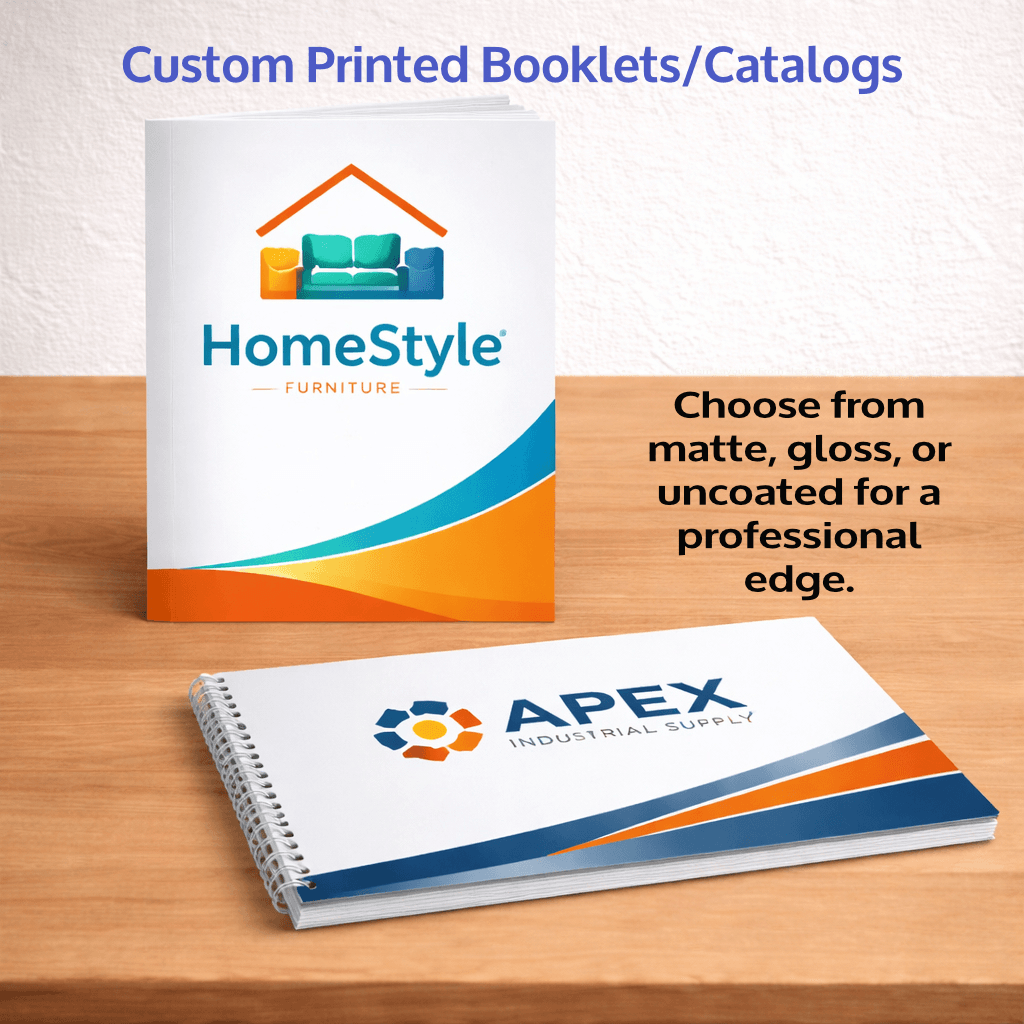
Custom printed booklets and catalogs that bring your brand to life. Perfect for product showcases, manuals, and promotional materials, we deliver vibrant color, crisp detail , and a professional finish that makes every page count.
Request a free quote

PLEASE FEEL FREE TO CALL US AT 828-764-3305 WITH ANY QUESTIONS OR CONCERNS.
Ensure the file matches the product's required dimensions.
Make sure that all images are embedded, and that all the text is outlined.
- Use the CMYK colorspace (Cyan, Magenta, Yellow, black). These are industry standard printing colors. CMYK colors are different than RGB (Red, Green, Blue), which are used to display colors on your screen.
- Use a minimum resolution of 300 dpi for image files.
- Specify trim area with crop marks. (Don't place crop marks inside the work area.)
- Artwork should have 1/8" (0.125") bleed extending past the trim line. This is to prevent minor cutting variations from leaving unintended results at the trim edge.
- Safe Area is the 1/8" (0.125") area inside the trim line. Do not put critical information or images within the Safe Area. This is to prevent minor cutting variations from leaving unintended results at the trim edge.
- If you want printed borders, they must be placed a minimum of 1/8" (0.125") inside the trim line and include bleed. This is to prevent minor cutting variations from leaving unintended results at the trim edge.
Cover Pages
80# Uncoated Cover
80# Uncoated Cover is a lightweight cardstock with a smooth, non-gloss finish that offers a natural, professional look. Thicker and more durable than text-weight papers, this stock is commonly used for booklet covers when a writable surface and understated appearance are preferred. It provides structure without the shine of coated cover stocks.
Key Characteristics
- Lightweight cardstock thickness
- Non-gloss, natural paper finish
- Easy to write on with pen or pencil
- Clean, professional appearance
- More durable than text-weight papers
Best Use Cases
- Booklet covers
- Catalog covers
- Workbooks and manuals
- Presentation handouts
- Forms requiring a sturdier cover
Tip: 80# Uncoated Cover is ideal when you want a simple, writable booklet cover with a natural feel and moderate durability without a glossy finish.
100# Uncoated Cover
100# Uncoated Cover is a heavyweight cardstock with a smooth, non-gloss finish that provides excellent durability and a natural, professional feel. Thicker and sturdier than 80# Uncoated Cover, it offers strong protection for booklet and catalog covers while maintaining a writable surface and refined matte appearance.
Key Characteristics
- Heavyweight cardstock thickness
- Non-gloss, natural paper finish
- Easy to write on with pen or pencil
- Durable and sturdy feel
- Clean, professional matte appearance
Best Use Cases
- Booklet covers
- Catalog covers
- Workbooks and training manuals
- Presentation covers
- Reports and informational booklets
Tip: 100# Uncoated Cover is a great choice when you want a sturdy, professional cover that can be written on and holds up well to handling.
80# Gloss Cover
80# Gloss Cover is a lightweight coated cardstock featuring a smooth, shiny finish that enhances color vibrancy and image detail. Thicker than text-weight papers, it provides added durability while maintaining flexibility, making it a popular choice for booklet and catalog covers with a polished, professional look.
Key Characteristics
- Lightweight coated cardstock
- Smooth, glossy finish
- Bright, vibrant color reproduction
- Good durability with flexible feel
- Professional, polished appearance
Best Use Cases
- Booklet covers
- Catalog covers
- Event programs
- Presentation booklets
- Marketing publications
Tip: 80# Gloss Cover is ideal when you want a colorful, eye-catching cover with a glossy finish without the extra stiffness of heavier cover stocks.
100# Gloss Cover
100# Gloss Cover is a heavyweight coated cardstock with a smooth, glossy finish that delivers excellent durability and vibrant color reproduction. Thicker and sturdier than lighter cover stocks, it provides a premium feel and strong protection for booklet and catalog covers while making images and graphics stand out.
Key Characteristics
- Heavyweight coated cardstock
- Smooth, glossy finish
- Excellent color vibrancy and contrast
- Durable and sturdy feel
- Professional, high-impact appearance
Best Use Cases
- Booklet covers
- Catalog covers
- Magazine-style publications
- Corporate presentations
- High-end marketing materials
Tip: 100# Gloss Cover is ideal when you want a durable, premium cover with bold colors and a polished, professional look.
80# Matte Cover
80# Matte Cover is a lightweight coated cardstock with a smooth, non-gloss finish that offers a refined, professional appearance. The matte coating reduces glare while still enhancing color and image quality, making it a great option for booklet and catalog covers that need durability without a shiny surface.
Key Characteristics
- Lightweight coated cardstock
- Smooth matte finish (no shine)
- Reduced glare for easy viewing
- Good color reproduction
- Flexible yet durable feel
Best Use Cases
- Booklet covers
- Catalog covers
- Presentation booklets
- Programs and reports
- Marketing materials
Tip: 80# Matte Cover is ideal when you want a professional cover with improved color quality but prefer a softer, glare-free finish instead of gloss.
14PT Uncoated Cover
14PT Uncoated Cover is a thick, durable cardstock with a smooth, non-gloss finish that provides a sturdy and professional appearance. Significantly heavier than standard cover weights, this stock offers excellent rigidity while maintaining a natural, writable surface. It’s commonly used for premium booklet and catalog covers that require added strength and durability.
Key Characteristics
- Thick, rigid cardstock (14 point)
- Non-gloss, natural paper finish
- Easy to write on with pen or pencil
- Strong, durable construction
- Premium, substantial feel
Best Use Cases
- Premium booklet covers
- Catalog covers
- Presentation covers
- Workbooks and manuals
- High-end reports
Tip: 14PT Uncoated Cover is ideal when you want a sturdy, heavyweight cover with a natural matte appearance that holds up well to frequent handling.
Inside Pages
60# Uncoated Text
60# Uncoated Text is a lightweight, non-gloss paper with a smooth, natural feel. Because it has no coating, it is easy to write on and produces a softer, more muted look for printed colors. This paper is commonly used for booklet interiors where readability and a traditional paper feel are preferred.
Key Characteristics
- Lightweight and economical
- Non-gloss, natural paper finish
- Easy to write on with pen or pencil
- Softer color reproduction (less shine)
- Excellent readability for text-heavy content
Best Use Cases
- Instruction manuals
- Product catalogs
- Booklet interiors
- Price lists
- Forms and informational guides
Tip: 60# Uncoated Text is ideal when you want a simple, professional look without the shine of coated papers, and when customers may need to write notes directly on the pages.
70# Uncoated Text
70# Uncoated Text is a mid-weight, non-gloss paper that offers a step up in thickness and durability compared to lighter text stocks. It has a smooth, natural finish that is easy to read and write on, making it a popular choice for booklet and catalog interiors that need a more substantial feel without adding too much bulk.
Key Characteristics
- Medium-weight paper with added durability
- Non-gloss, natural paper finish
- Easy to write on with pen or pencil
- Softer, more subdued color reproduction
- Professional feel without heavy thickness
Best Use Cases
- Product catalogs
- Booklet interiors
- Manuals and guides
- Programs and informational booklets
- Price lists and reference materials
Tip: 70# Uncoated Text is a great choice when you want a slightly thicker, more durable page than 60# while maintaining a clean, easy-to-read matte appearance.
80# Gloss Text
80# Gloss Text is a medium-weight coated paper featuring a smooth, shiny finish that enhances color vibrancy and image sharpness. The gloss coating allows photos and graphics to appear more vivid and detailed, making it a popular choice for high-quality booklet and catalog interiors.
Key Characteristics
- Smooth, glossy coated finish
- Excellent color vibrancy and contrast
- Sharp image and photo reproduction
- Medium-weight with professional feel
- Slight sheen for a polished appearance
Best Use Cases
- Product catalogs with photos
- Marketing booklets
- Sales presentations
- Event programs
- Image-heavy brochures and guides
Tip: 80# Gloss Text is ideal when your booklet or catalog includes photos or colorful graphics and you want them to stand out with a bright, polished look.
100# Gloss Text
100# Gloss Text is a heavyweight coated paper with a smooth, glossy finish that delivers excellent durability and premium visual impact. Thicker than 80# Gloss Text, it provides a more substantial feel while enhancing color vibrancy and image clarity. This paper is ideal for high-end booklets and catalogs where a more upscale presentation is desired.
Key Characteristics
- Heavyweight coated paper stock
- Smooth, glossy finish
- Superior color vibrancy and contrast
- Excellent photo and graphic reproduction
- Durable pages with a premium feel
Best Use Cases
- High-end product catalogs
- Premium marketing booklets
- Photography-heavy publications
- Corporate presentations
- Magazine-style booklets
Tip: 100# Gloss Text is perfect when you want thicker, more durable interior pages that deliver a high-quality, polished look.
70# Matte Text
70# Matte Text is a medium-weight coated paper with a smooth, non-gloss finish that provides excellent readability while still enhancing color and image quality. Unlike gloss paper, the matte coating reduces glare, making it easier to view under bright lighting. This stock offers a professional, refined appearance with slightly richer color reproduction than uncoated paper.
Key Characteristics
- Smooth matte coated finish (no shine)
- Reduced glare for easy reading
- Good color vibrancy without gloss
- Medium-weight with durable feel
- Professional, clean appearance
Best Use Cases
- Product catalogs
- Booklet interiors
- Corporate brochures
- Instructional guides
- Programs and informational booklets
Tip: 70# Matte Text is a great choice when you want improved image quality over uncoated paper but prefer a softer, glare-free finish instead of gloss.
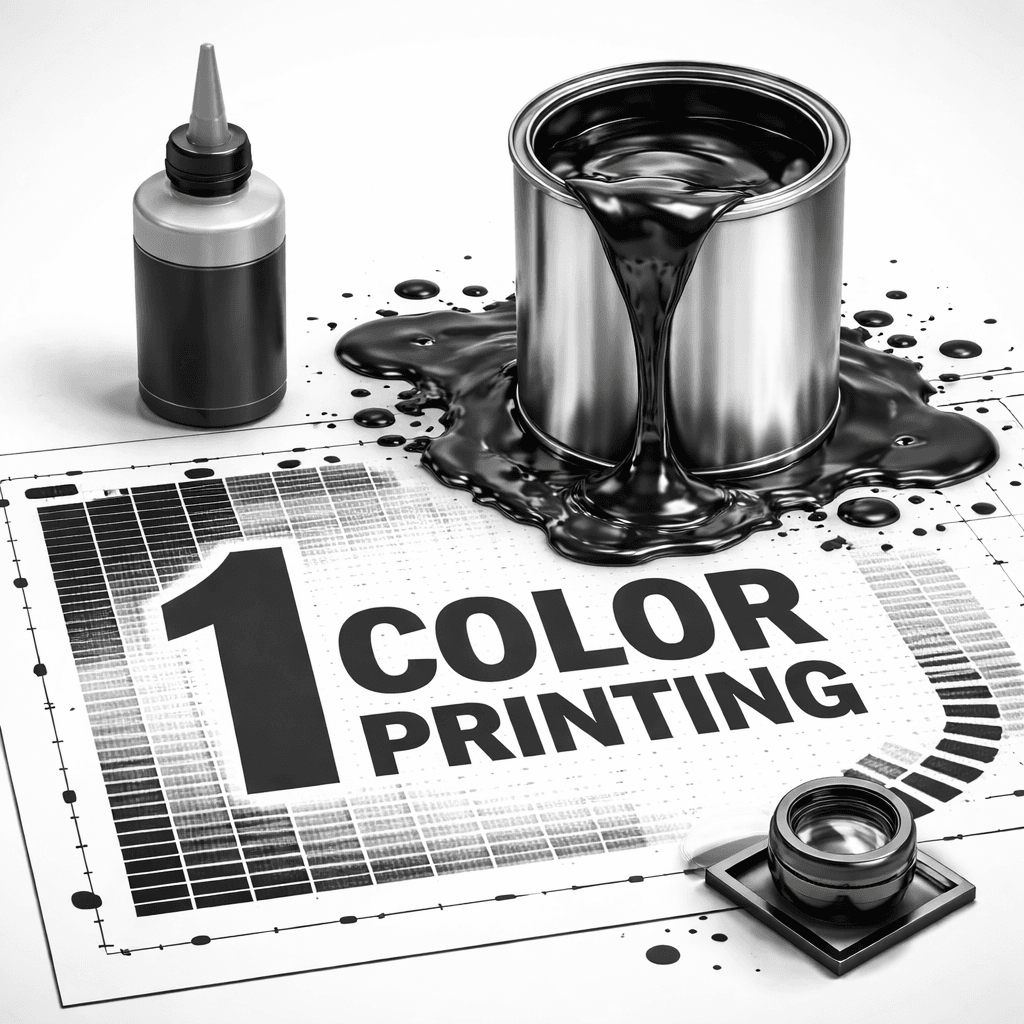
1 Color Ink Printing:
In professional printing, 1-color printing refers to a process where only a single, pre-mixed ink is used to create an image. Unlike CMYK, which mixes colors on the page, 1-color printing uses a specific ink color—often referred to as a Spot Color.
Why Choose 1-Color Printing?
- Budget-Friendly: It is typically the most economical option for high-volume items like envelopes, business forms, or simple promotional flyers.
- Brand Consistency: Many brands use a single spot color for their logo to ensure it never varies, avoiding the slight shifts that can happen in 4-color process printing.
- Specialty Inks: 1-color printing allows for inks that CMYK cannot replicate, such as true metallics (gold, silver) or neon/fluorescent colors.
- Cleanliness: Fine lines and small text are much sharper because they are printed with one solid plate rather than four overlapping plates.
Full Color (CMYK) Printing
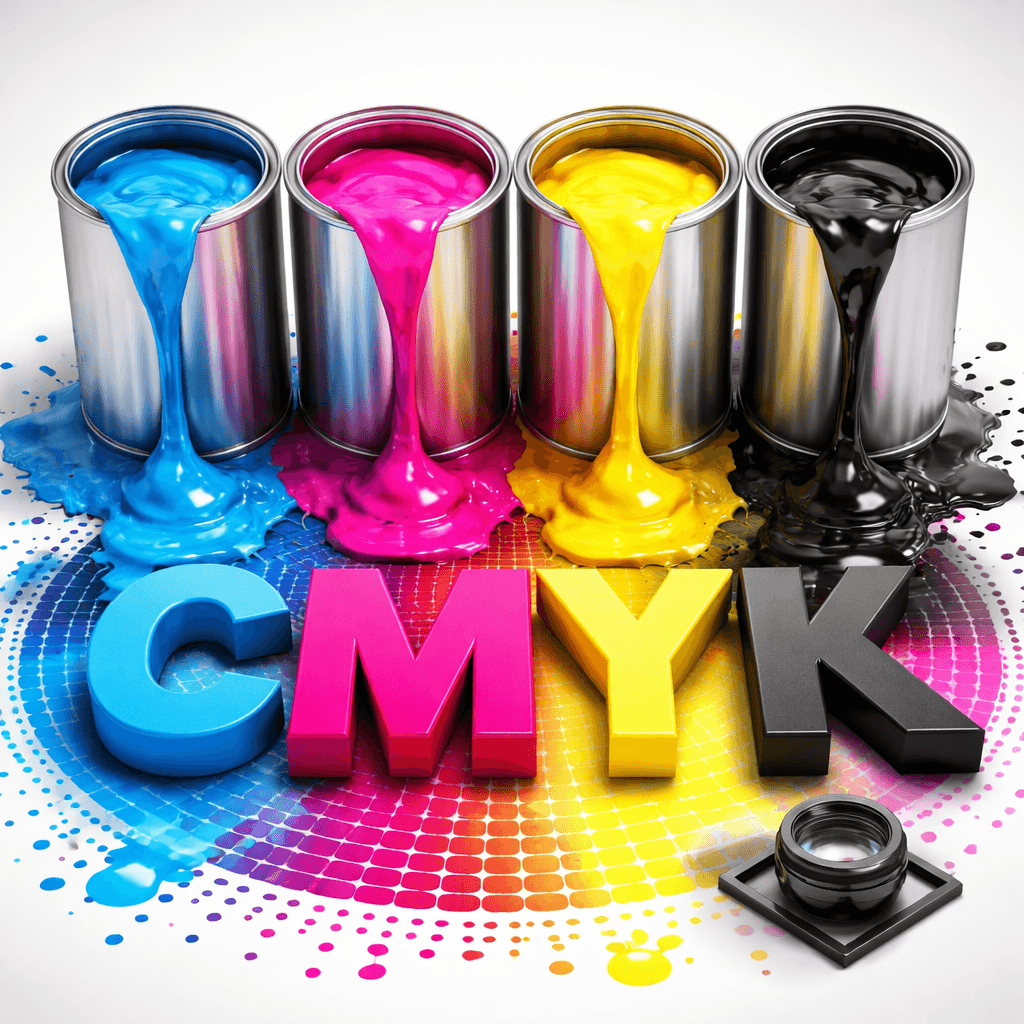
In the professional printing industry, Full-Color Printing—also known as 4-Color Process or CMYK—is the standard method for reproducing high-quality, photographic-style images. Instead of using thousands of different colored inks, this process relies on just four primary ink colors to create a near-infinite spectrum of shades.
The Four Essential Inks
The “CMYK” acronym stands for the four specific ink colors used on the press:
- Cyan (C): A vibrant blue-green.
- Magenta (M): A deep, purplish-red.
- Yellow (Y): A bright, standard yellow.
- Black (K): Known as the "Key" color. It is used to add depth, contrast, and fine detail that the other three colors cannot achieve on their own.
Why Use Full-Color Printing?
- Photographic Realism: It is the only way to accurately reproduce photographs and complex illustrations with subtle shading.
- Production Efficiency: It allows a printer to run many different jobs at once using the same four ink reservoirs, making it highly cost-effective for brochures, postcards, and catalogs.
- Standardization: Because CMYK is a universal language, a design created in a program like Adobe Illustrator or Canva can be printed with consistent results across different professional print shops.
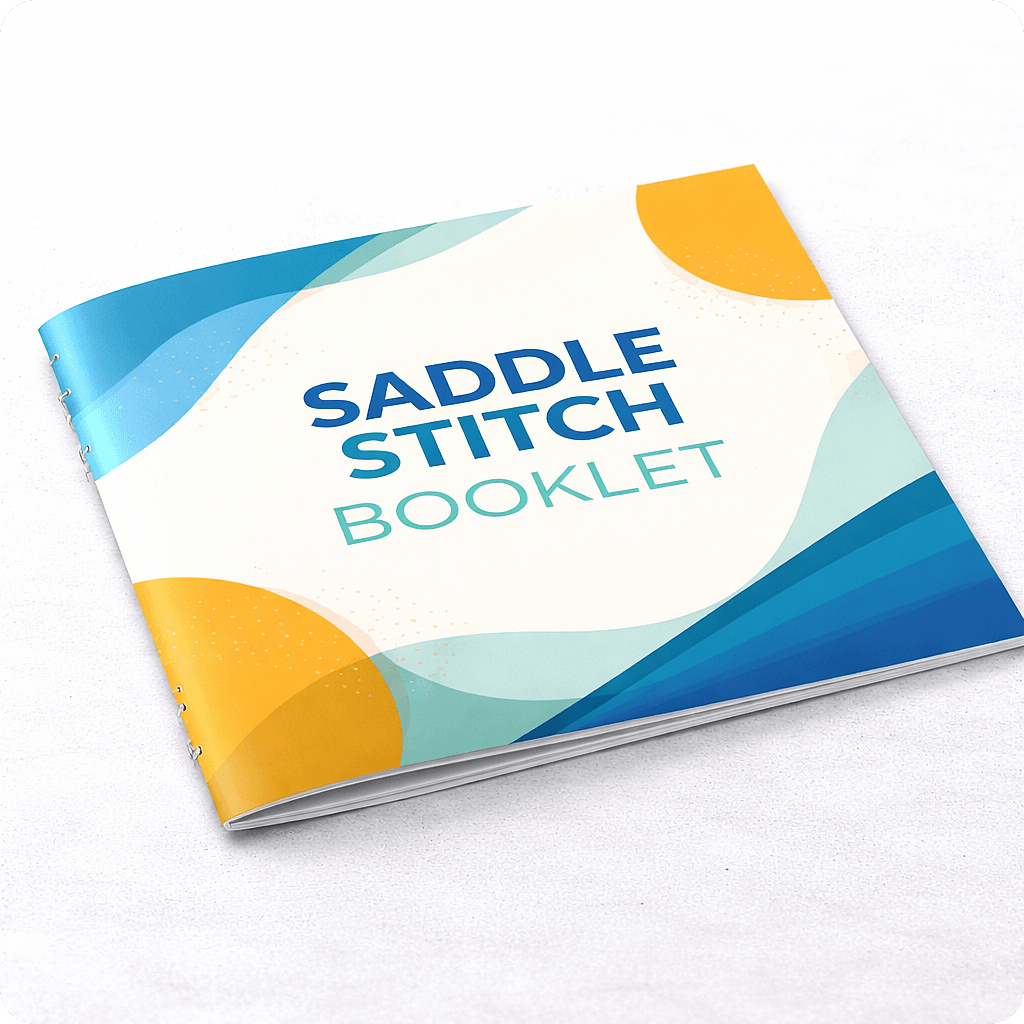
Saddle Stitch Binding
Saddle stitch binding is one of the most popular and economical booklet options. Pages are folded in half and stapled along the spine.
Best For:
- Event programs
- Marketing booklets
- Small catalogs
- Newsletters
- 8–64 pages (typically)
Benefits:
- Cost-effective
- Clean, professional appearance
- Fast turnaround
- Lays relatively flat when open
Perfect Binding
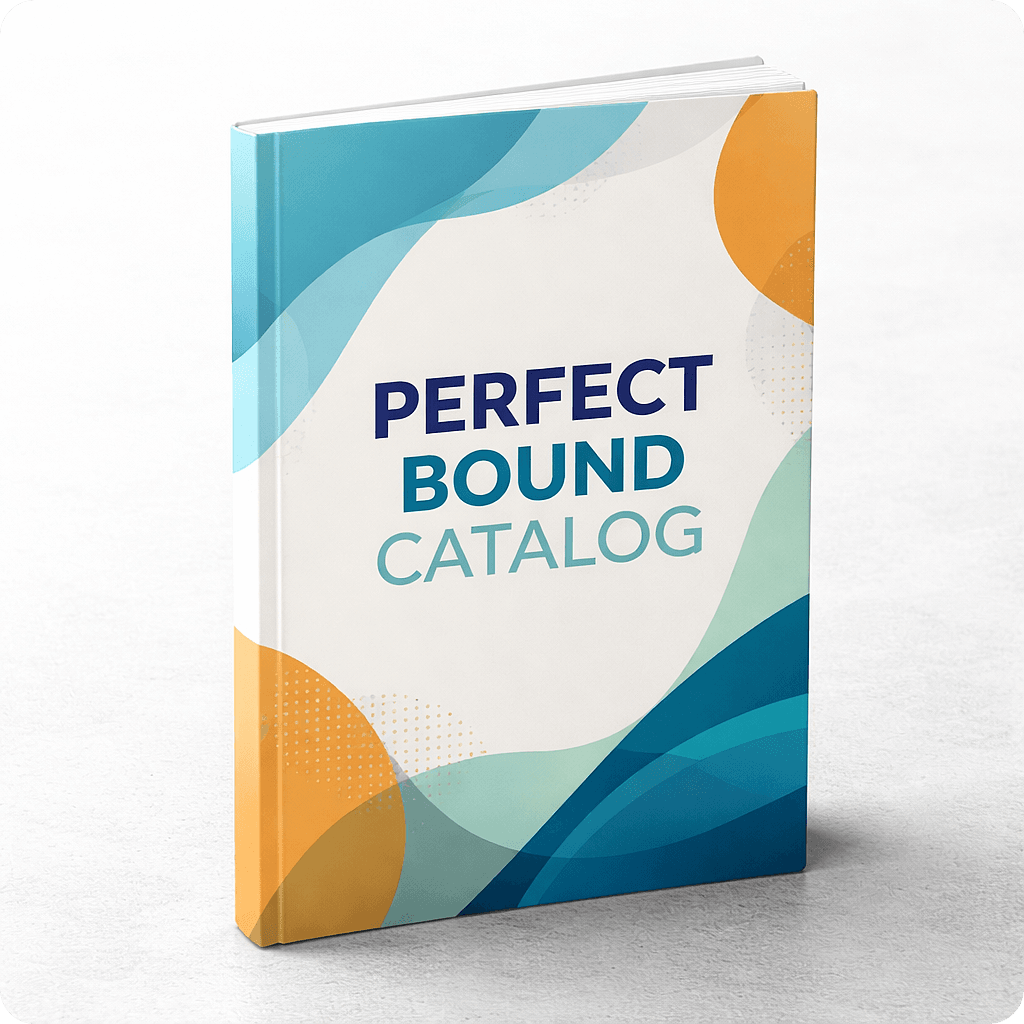
Perfect binding gives your booklet a polished, magazine-style square spine. Pages are glued together along the spine with a wraparound cover.
Best For:
- Product catalogs
- Company profiles
- Magazines
- Instruction manuals
- 40+ pages
Benefits:
- Professional bookstore look
- Printable spine for branding
- Durable binding
- Ideal for thicker booklets
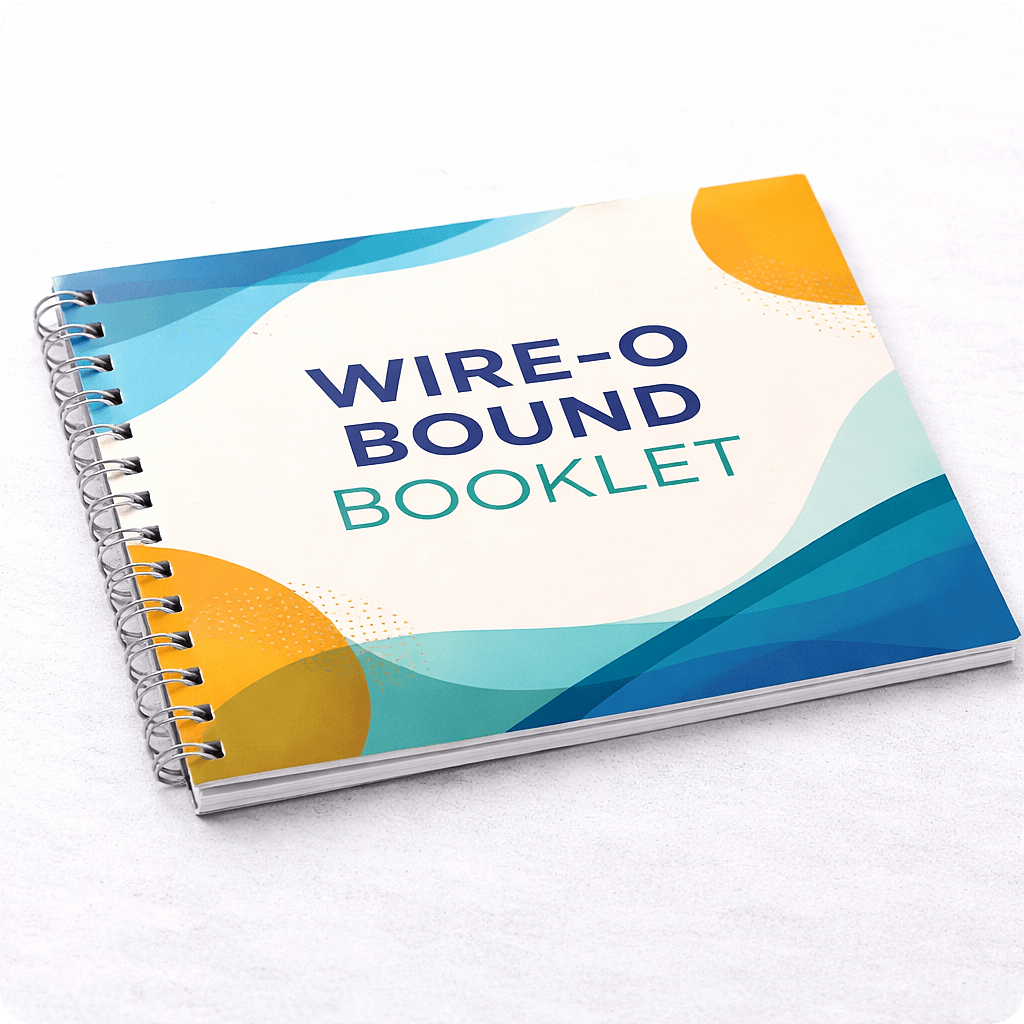
Wire-O Binding
Wire-O binding uses a double-loop wire that allows pages to turn smoothly and lay completely flat.
Best For:
- Training manuals
- Presentation books
- Calendars
- Reference guides
Benefits:
- Lays completely flat
- Pages turn 360°
- Professional appearance
- Durable metal binding
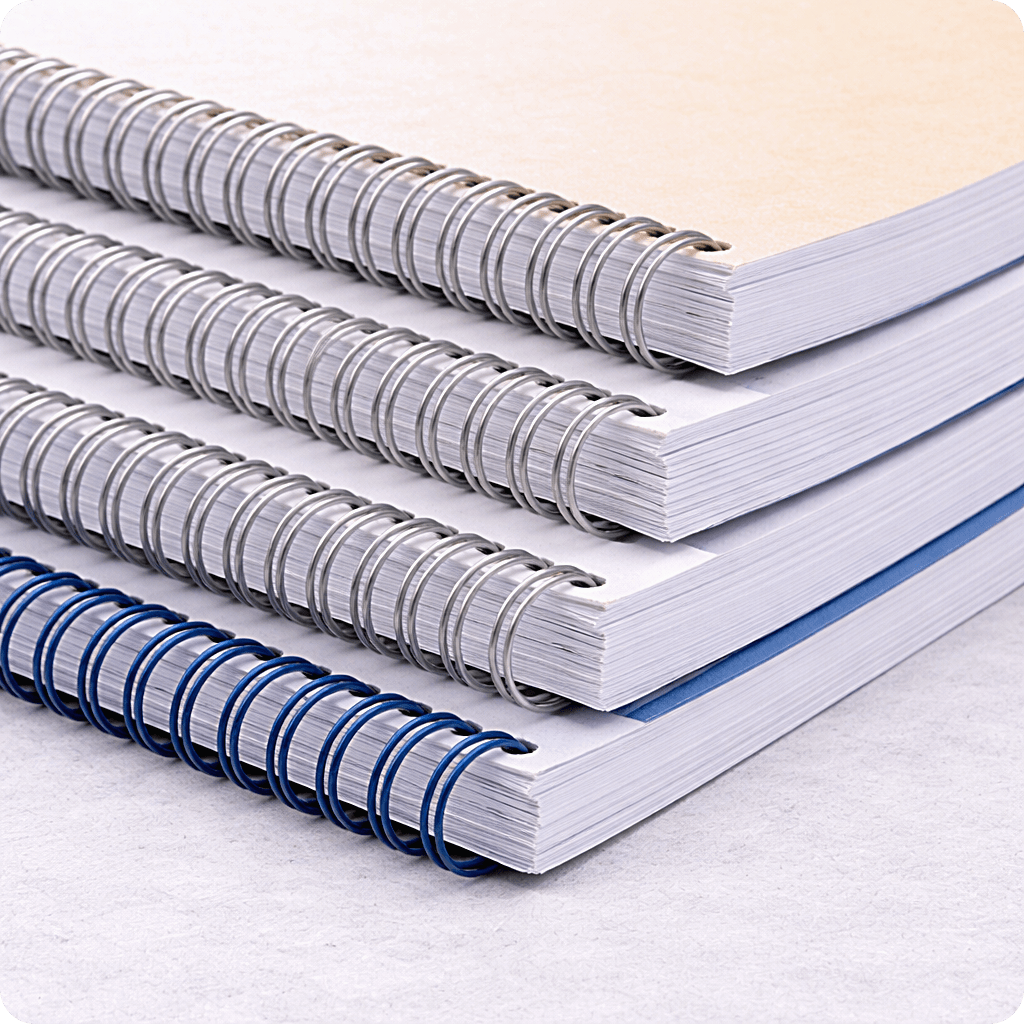
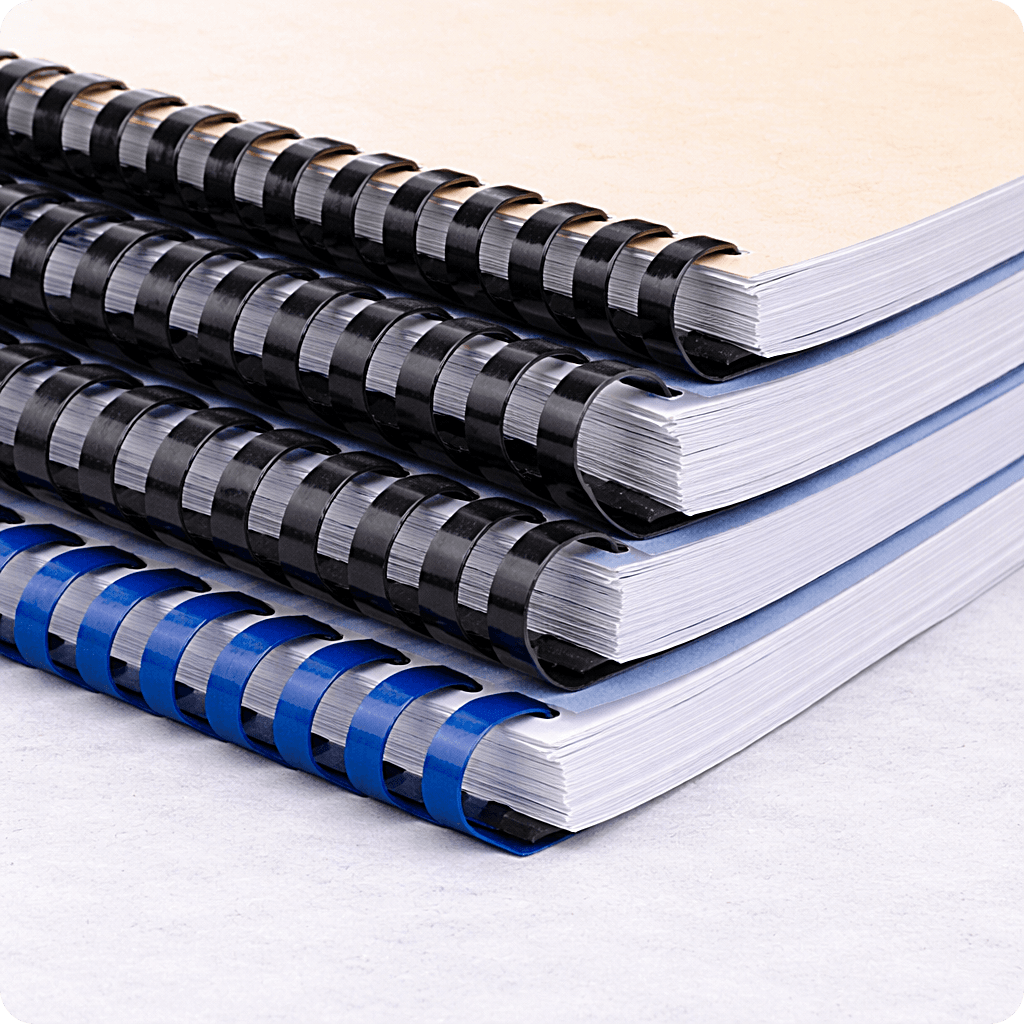
Coil (Spiral) Binding
Coil binding uses a continuous plastic coil that runs through holes along the edge.
Best For:
- Instruction manuals
- Field guides
- Workbooks
- Notebooks
Benefits:
- Extremely durable
- Lays flat or folds back
- Modern appearance
- Great for heavy use
Comb Binding
Comb binding uses a plastic spine that allows pages to be easily added or removed.
Best For:
- Manuals
- Internal documents
- Price lists
- Workbooks
Benefits:
- Economical for thicker books
- Pages lay flat
- Easy page updates
- Lightweight
Not Sure Which Binding is Right?
Our team can help you choose the best binding based on your page count, budget, and how the booklet will be used. Whether you need a small saddle-stitched booklet or a thick perfect-bound catalog, we’ll guide you to the best option.
Quick Binding Guide
Binding Type
Saddle Stitch
Perfect Bind
Wire-O
Comb
Coil
Page Count
8–64 pages
40+ pages
20–200 pages
20–300 pages
20–300 pages
Lays Flat
Mostly
No
Yes
Yes
Yes
Most Popular Use
Marketing booklets
Product catalogs
Manuals
Workbooks
Training guides
What types of booklet binding do you offer?
We offer multiple binding options to fit your project:
- Saddle Stitch (stapled spine) – great for smaller booklets
- Perfect Binding (flat spine) – ideal for catalogs and thicker books
Wire-O / Coil Binding – durable and lays flat for easy use
What page counts can you print?
We can produce booklets from 8 pages up to 100+ pages, depending on the binding method. Saddle stitch works best for lower page counts, while perfect binding is better for larger catalogs.
What sizes are available for booklets and catalogs?
Popular sizes include:
- 5.5″ x 8.5″
- 8.5″ x 11″
- 6″ x 9″
- 11″ x 17″ (folded)
Custom sizes are also available to match your brand or project needs.
What paper options do you offer?
We offer a wide range of premium paper stocks:
- Gloss text for vibrant images
- Matte text for a softer, professional look
- Heavier cover stocks for durability
- Specialty stocks like linen or uncoated
Can I print in full color?
Yes! We offer high-quality full-color CMYK printing for rich images and sharp text. Black-and-white printing is also available for more budget-friendly projects.
Do you offer design services?
Yes, we can help with:
- Custom booklet and catalog design
- Layout and formatting
- Print-ready file setup
If you already have artwork, we can review it to ensure it prints perfectly.
What file format should I submit?
For best results, submit:
- PDF (preferred)
- 300 DPI resolution
- CMYK color mode
- Include bleed (typically 0.125″)
We can assist with file setup if needed.
What is the turnaround time?
Turnaround times vary based on quantity and finishing, but most booklet projects are completed within 3–7 business days. Rush options may be available.
Can you mail my catalogs for me?
Yes! We offer mailing and fulfillment services, including:
- Addressing and sorting
- Bulk mail preparation
- Direct mail campaigns
What quantities can I order?
We handle both short runs and large-volume orders. Whether you need 25 booklets or 10,000 catalogs, we’ve got you covered.
Do you offer proofing before printing?
Absolutely. We can provide:
- PDF proofs (standard)
- Printed proofs (upon request)
This ensures everything looks exactly right before production.